Convert Volume
Ready to Convert
Enter an amount and select a unit on the left to see precise volume and ingredient weight conversions.
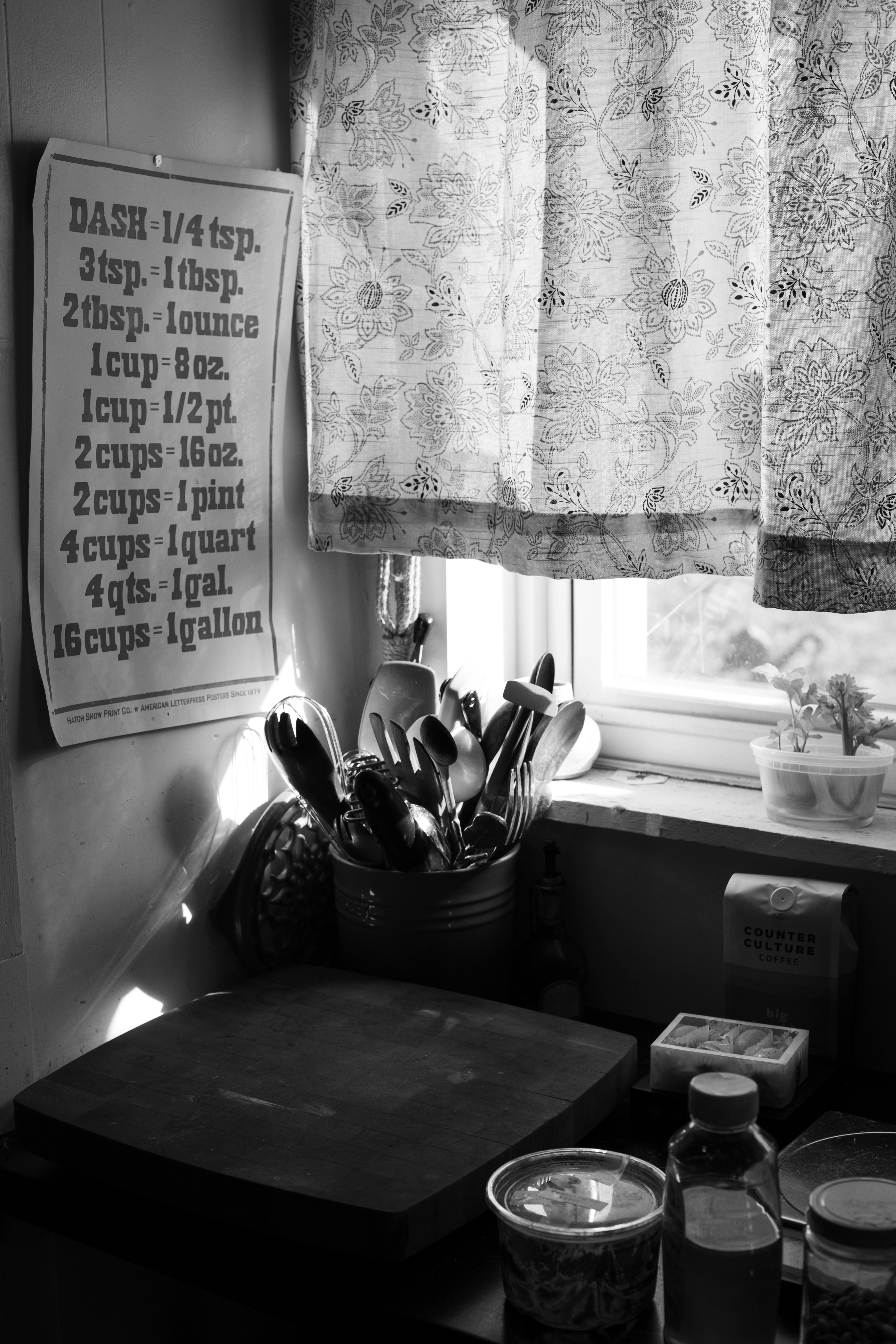
Professional kitchen measuring tools and conversion flow
Cooking Conversion Methods
Culinary math relies on strict proportional relationships between spoons, cups, and milliliters. Converting volume accurately prevents structural failures in delicate baking chemistry.
- Cup Relationships: 1 Cup = 16 Tablespoons = 48 Teaspoons ≈ 236.588 mL. This standard multiplier is the backbone of scaling any US recipe.
- Spoon Relationships: 1 Tablespoon = 3 Teaspoons ≈ 14.787 mL. 1 Teaspoon ≈ 4.929 mL. These relationships remain consistent regardless of the ingredient being measured.
Practical Worked Example: Flour to Grams
Let's estimate the gram equivalent of 2 US customary cups of all-purpose flour using the calculator's reference value of 120 g per US cup.
Step 1: Convert cups to absolute volume
We multiply the cups by the standard milliliter equivalent. (2 cups × 236.588 mL = 473.176 mL total volume).
Step 2: Apply the ingredient density
The calculator uses a reference value of 120 grams per US customary cup for all-purpose flour. Actual cup weight varies with measuring technique, packing, moisture and the flour itself.
2 cups × 120 g/cup ≈ 240 grams
Using this reference value, 2 US customary cups of all-purpose flour is approximately 240 grams. Different ingredients use different reference weights, so the gram result changes even when the volume is the same.
Where Kitchen Conversions Are Used
Baking Precision
Translating volumetric recipes into approximate gram values when a recipe provides cups but you prefer to work by mass.
Recipe Scaling
Multiplying a family dinner recipe to feed a catered event without distorting the sensitive chemical ratios of salt and leavening agents.
International Adaptation
Allowing European bakers to utilize American recipes natively written in US cups and fluid ounces by translating them back to metric ML and grams.
Dietary Planning
Calculating precise caloric intake by converting ambiguous serving spoon sizes into strict mass amounts to cross-reference with nutrition labels.
Food Science
Comparing recipe volume measurements with approximate mass equivalents while recognising that controlled food production normally relies on weighed ingredients and defined specifications.
Common Kitchen Conversion Mistakes
Confusing Volume with Weight
Assuming 1 fluid ounce equals 1 dry ounce. A fluid ounce measures space (volume), while a standard ounce measures mass (weight). They describe different physical quantities and should not be treated as interchangeable units.
Ignoring Ingredient Density
Treating a cup of flour, a cup of sugar, and a cup of butter as the same weight. Different ingredients can have substantially different mass for the same measured volume.
Packing Density Errors
Scooping flour directly with a measuring cup can pack more flour into the same volume than a lighter filling method, changing the gram amount and potentially changing the recipe result.
Using Wrong Conversion Factors
Interchanging a US customary cup (236.588 mL), US legal cup (240 mL) and metric cup (250 mL) changes the measured volume. Select the cup standard that matches the recipe.
Decimal Place Errors in Scaling
A decimal-place error when scaling small ingredient quantities can materially change the amount used, so check the unit and scale factor before using the result.
Not Accounting for Ingredient Types
Assuming all forms of an ingredient have the same cup weight. Preparation, moisture, particle size and packing can change the mass contained in a measured cup.
Rounding Errors Affecting Results
Using an incorrect spoon volume or rounding too aggressively can accumulate error when a recipe contains several spoon measures.
Calculator Disclaimer
This cooking measurement converter is provided for reference and educational use. Volume-to-volume conversions use the unit factors shown by the calculator. Ingredient gram equivalents are estimates based on reference cup weights and can vary with ingredient type, moisture, preparation and packing. For recipes where mass accuracy matters, weighing the ingredient directly is more reliable.
Frequently Asked Questions
Calculation method, worked example and reference
What this calculator does and formula: The converter multiplies by the source unit's millilitre factor and divides by the target factor. Mass conversions require ingredient density and are not volume conversions.
Variables and units: Enter values in the units named by the controls. The calculator converts through its internal base unit or applies the displayed geometric or financial relationship before rounding the presented result.
Verified worked example: 1 US legal cup = 240 mL; common recipe cups can differ by jurisdiction, so select the named unit rather than assuming cup size.
Result interpretation, assumptions and practical limits: Level/spoon technique and ingredient packing affect recipes. Medical dosing requires calibrated devices and professional instructions.
Professional check: Treat the result as a planning estimate. Where safety, regulated work, contracts or significant money are involved, verify inputs and the result with the governing standard, manufacturer data and an appropriately qualified professional.